A medical degree often takes years to complete but offers job security, a high average salary and the opportunity to save lives. Medical students can study in a speciality of their choosing, in many types of environments and often with new technology. The most successful medical students develop their scientific and interpersonal abilities simultaneously. Get answers to questions like Best Private Medical Schools In US, private medical schools list, best medical schools in new york & best medical schools for surgery on our website.
Collegelearners will provide informations you needed about Best Private Medical Schools in US, Best Private Medical Schools Programs in US, Best Private Medical Schools Requirements in US and Best Private Medical Schools Tuitions in US.
Play Video
BOSTON, MA
The Medical School at Harvard University has an application deadline of Oct. 22. The application fee at Harvard University is $100. Its tuition is full-time: $64,984. The faculty-student ratio at Harvard University is 14.2:1. The Medical School has 9,954 full-time faculty on staff.
In the years since Harvard Medical School was founded in 1782, HMS has continued to innovate and influence medical education. Students today are divided into five academic societies, which offer mentoring and advising and enable team-based learning under faculty supervision. Students interested in a biomedical research career can apply to the Harvard-MIT Health Sciences and Technology program.
Play Video
STANFORD, CA
Explore Map
The School of Medicine at Stanford University has an application deadline of Oct. 1. The application fee at Stanford University is $100. Its tuition is full-time: $62,193. The faculty-student ratio at Stanford University is 2.3:1. The School of Medicine has 1,098 full-time faculty on staff.
SAN FRANCISCO, CA
Explore Map
The School of Medicine at University of California–San Francisco has an application deadline of Oct. 15. The application fee at University of California–San Francisco is $80. Its tuition is full-time: $36,342 (in-state) and full-time: $48,587 (out-of-state). The faculty-student ratio at University of California–San Francisco is 4:1. The School of Medicine has 2,624 full-time faculty on staff.
The MCAT scores just arrived in your inbox and now you know you qualify to apply for medical school because your undergrad grade point average is also excellent. Now, how do you pick the best medical school? Being a highly competitive professional option, the short answer: it depends on the specialty you choose. March 2019 saw the release of the annual US News medical school rankings. Entitled “Best Medical Schools 2020” the list was divided into two categories: primary care and research medical schools.
US News approached 152 schools of medicine (allopathic) with full accreditation by the Liaison Committee on Medical Education as of 2018. Further, US News requested data from the 33 osteopathic schools accredited in 2018 by the American Osteopathic Association. US News was provided the data necessary for their rankings from 120 of the medical schools contacted. Those responses were used to factor rankings in both areas: primary care and research. Rankings were released in March 2019 from data collected in Fall 2018 through the beginning of 2019.
The two categories included many of the same types of data. Different weight was placed on the various data based on the categories of research or primary care. While the same data was analyzed for both categories, due to the different weighting of the data, different schools ranked higher on different lists.

Many types of data were provided to and evaluated by US News. You can read in depth information about how data were collected and reviewed at the full US NEWS report. Let’s take a brief look at what data were used to rank each school for the different categories:
US News decided to rank only the top 75% of the schools. Schools listed as “unranked” are done so because they did not provide enough information to compile the data necessary for a ranking. All unranked schools are alphabetically listed after the ranked schools. Also, this year, at the request of deans, other specialties received their own ranking list and include: anesthesiology, OBGYN, psychiatry, radiology and surgery. These special rankings were requested in an effort to better highlight the range of each school’s curriculum.
So, who made the Top Ten as the best primary care medical schools for 2020? It bears repeating that the US News medical school rankings are based on specialties and some results may be surprising. While the rankings for both lists will have schools in common, due to the weights placed on the data and the responses, the same schools may rank differently on each list. Here are the Top Ten among the primary care med school rankings:
The highest ranked medical schools all have steep competition and even the highest GPA and MCAT scores won’t guarantee you a spot at your chosen school. Also, competition is great within medical specialties and research medicine is no different. If research medicine calls to your sense of service, then consider the following as a guide to the Top Ten research medical schools as ranked by US News:

The majority of the US News rankings was focused on primary care and research medicine. There were other fields of study ranked and here are a few that might be of interest (only the top schools are listed):
Practicing physicians all went to and completed pre-med, internships and residencies. They all followed a certain pull that helped to keep them motivated through the long-hours of study and on-call shifts. Applying to medical school is costly. Just submitting the needed paperwork and application fees can run into the hundreds of dollars. Applications can take over a year and most med students applied to between 20 and 40 schools. If you are certain you want to pursue medicine be prepared to consider the following:

At each of these schools, tuition and fees during the 2019-2020 school year exceeded $65,000, U.S. News data shows.
The U.S. News Short List, separate from our overall rankings, is a regular series that magnifies individual data points in hopes of providing students and parents a way to find which undergraduate or graduate programs excel or have room to grow in specific areas. Be sure to explore The Short List: Colleges, The Short List: Grad School and The Short List: Online Programs to find data that matters to you in your college or grad school search.
Paying for four years of medical school typically requires an enormous financial investment, especially at private academic institutions.
According to the Association of American Medical Colleges, the median four-year cost of attendance at private med schools added up to about $338,000 for the class of 2020. That cost is 2% higher than in the prior year, and it’s around $82,000 greater than the median in-state cost at public medical schools in 2019-2020, AAMC data shows.
[ READ: How to Attend Medical School for Free. ]
Among the 48 ranked private medical schools that submitted tuition and fees figures to U.S. News in an annual survey, the average charge for the 2019-2020 school year was $57,937. Meanwhile, among the 10 most expensive private schools, the asking price was significantly higher: $67,214.
Six of the 10 priciest private med schools are based on the East Coast, three in the Midwest and one on the West Coast. Four of these schools placed in the top 10 of the research-oriented medical school ranking, but only one – Harvard Medical School – was ranked in the top 10 for primary care.
Columbia University’s Vagelos College of Physicians and Surgeons in New York City had the highest tuition and fees during the 2019-2020 school year with a sticker price of $68,886. The most affordable private medical school is also in New York City: the Grossman School of Medicine at New York University, where students paid nothing for tuition and only ponied up $3,950 for fees during the same year.
At NYU, numerous school benefactors are subsidizing the cost of the school’s medical degrees. NYU offers full-tuition scholarships to all its M.D. students, regardless of need or merit.
[ SEE: 10 Least Expensive Private Medical Schools. ]
Aspiring doctors who are evaluating whether a medical education is worth the cost should keep in mind that becoming a doctor typically results in earning an annual salary that is well above $150,000. According to the Bureau of Labor Statistics, the average May 2019 salary among physicians varies depending on their medical specialty, ranging from $184,410 in pediatrics to $261,730 in anesthesiology.
Below is a list of the 10 most expensive private medical schools during the 2019-2020 school year. Unranked schools, which did not meet certain criteria required by U.S. News to be numerically ranked, were not considered for this report.
| SCHOOL (NAME) (STATE) | TUITION AND FEES (2019-2020) | U.S. NEWS RESEARCH RANK | U.S. NEWS PRIMARY CARE RANK | |||
|---|---|---|---|---|---|---|
| Columbia University (NY) | $68,886 | 6 (tie) | 31 (tie) | |||
| Brown University (Alpert) (RI) | $67,994 | 38 (tie) | 35 (tie) | |||
| Case Western Reserve University (OH) | $67,971 | 24 (tie) | 56 (tie) | |||
| Northwestern University (Feinberg) (IL) | $67,951 | 18 (tie) | 35 (tie) | |||
| Dartmouth College (Geisel) (NH) | $67,794 | 50 (tie) | 19 | |||
| University of Southern California (Keck) | $67,557 | 31 (tie) | 47 (tie) | |||
| Washington University in St. Louis | $66,913 | 6 (tie) | 31 (tie) | |||
| Cooper Medical School of Rowan University (NJ) | $66,530 | 94-122 | 94-122 | |||
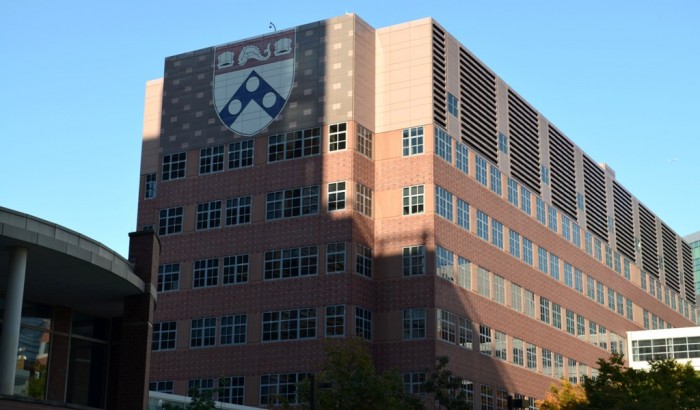
| University of Pennsylvania (Perelman) | $65,343 | 3 | 14 | |||
| Harvard University (MA) | $65,203 | 1 | 10 |
The U.S. is arguably the best place in the world to study medicine.
Other countries have produced brilliant physicians and continue to do so, but American universities dominate the top of the U.S. News’ list of best clinical medical schools in the world. These schools conduct the most advanced research in specialized fields, thereby improving the health of everyone.
The best schools also focus on reaching underserved communities. Those who live in remote or rural towns need as much medical attention as those who live in big urban areas. Equalizing health care by geography and demographics is another factor that distinguishes a good health program from a great one.
Some of the most significant medical breakthroughs have come from these top research institutions: the first successful heart valve surgery, the first successful kidney transplant, the discovery of Alzheimer’s disease, the development of vaccines for polio. The world would be a very different place without these innovations. With even more complex problems to solve today, innovation and experimentation have never been more vital.
The following schools — ranked according to their placement in the US News Medical School – Research List — each offer freshly structured curriculum, special programs, and/or unique clinical opportunities that set them apart from America’s 185 other medical programs. You’ll learn about what makes each school special, including the achievements of the most accomplished alumni and faculty from these institutions.

Michigan Medicine encompasses the university’s affiliated hospitals and medical school, which has consistently outperformed most others in the nation.
Through the Interprofessional Clinical Experience (ICE), students start getting clinical experience within the first semester of year one. ICE exposes students early to the collaborative and interpersonal aspects of healthcare. Clerkship experiences also begin as early as the second year, followed by advanced third and fourth-year clinical rotations.
Michigan Medicine includes renowned specialty centers such as the W.K. Kellogg Eye Center, the Brehm Center for Diabetes Research, and the C.S. Mott Children’s & Von Voigtlander Women’s Hospital.
Students also have the option of pursuing combined MD/PhD, MD/MBA, or MD/MPH degrees.
Famous alumni include politician and neurosurgeon Ben Carson, CNN medical correspondent Sanjay Gupta, and Alexa Canady, the first African American female neurosurgeon in the U.S.

The Feinberg School of Medicine sets itself apart from most other med schools by not giving letter grades. First and second-year students are graded on a pass or fail basis, while third and fourth-year students are given honors, high pass, pass, or fail grades. Furthermore, three afternoons per week are kept free for students to engage in optional or extracurricular activities.
The absence of traditional grading does nothing detract from the school’s excellence; in fact, because students feel less pressure to be at the top of their class, they have the time and space to focus on learning and quality patient care.
The Feinberg School partners with Northwestern Memorial Hospital, the Ann & Robert H. Lurie Children’s Hospital of Chicago, and the Shirley Ryan AbilityLab to educate the next generation of physicians and treat tens of thousands of patients every year.

The School of Medicine at Vanderbilt ranks highly in a number of specialties, including internal medicine, anesthesiology, surgery, pediatrics, and radiology.
The Vanderbilt Medical Center is dedicated to research. The university’s genetic database, BioVU, houses the country’s most extensive collection of adult and pediatric DNA samples, which is still growing daily. These and many other research projects have solidified Vanderbilt’s place as one of the top-funded institutions by the NIH.
Alumni Dorothy M. Horstmann was a pioneering epidemiologist and pediatrician who conducted key research into polio and rubella, paving the way for the development of safe and effective vaccines for each. Horstmann became the first female professor at Yale School of Medicine in 1961.
Alumni Sanford Rosenthal discovered the antidote to mercury poisoning, found an antibiotic cure for pneumonia, and developed a better way to treat burn victims.

Like Michigan, Pitt Med allows students to get crucial clinical experience starting in year one. In the Introduction to Being a Physician course, students interview patients in community healthcare settings, learning the medical and interpersonal skills of being a physician, among other basics. In fact, first and second-year students dedicate one afternoon per week to applying new skills at local practices and hospitals.
To demonstrate the school’s research focus, all Pitt Med students complete a longitudinal research project, which spans all four years of their studies. The goal is to produce new knowledge and provide clinical training that graduates continue to develop in their careers.
Notable alumni include pioneer breast cancer researcher Bernard Fisher, Angiogenesis Foundation co-founder William W. Li, and forensic psychiatrist Park Dietz.

Like Northwestern, WUSM does not bestow letter grades for all four years.
The university also announced it would spend $100 million to eliminate tuition for half of all MD students. The scholarship began in 2019 and aims to reduce student debt. Those who do not receive the scholarship in the first year have the opportunity to receive partial scholarships.
WUSM’s top-ranked specialties include radiology, obstetrics and gynecology, surgery, and anesthesiology. Also notable are programs in physical therapy, occupational therapy, and audiology & communication sciences, including a Doctor of Audiology (AuD) degree and a Master of Science in Deaf Education (MSDE).
The school has produced a handful of winners of the Nobel Prize in Physiology or Medicine: biochemists Earl Sutherland and Edwin G. Krebs and microbiologist Daniel Nathans.

Students at the Alix School of Medicine benefit from being a part of the Mayo Clinic Health System, which serves over 60 communities throughout Minnesota, Wisconsin, and Iowa. Students can choose to complete rotations at any one of these hospitals as well as Mayo Clinic campuses in Phoenix, Arizona and Jacksonville, Florida. As a result, at least 20% of graduate physicians work at Mayo medical centers.
MDs also graduate with low med school debt, thanks to generous scholarships.
First and second-year students get to take “selectives” — one to two-week student-selected courses designed to broaden clinical skills and experiences not covered in the main curriculum. Third-year students write a scientific research paper that they often submit for publication. Over 80% of Mayo students graduate with a published research manuscript in a peer-reviewed journal.
Yale med students benefit from a personal research librarian, who helps the student navigate the school’s extensive resources to produce a high-quality thesis by graduation. The program has caught on around the world: Duke University, University of Toronto, and Rhodes University in South Africa have also paired personal librarians with incoming students.
Without a personal librarian, the Harvey Cushing and John Hay Whitney Medical Library can be intimidating — it’s one of the country’s largest medical libraries.
Med students can earn dual degrees in conjunction with Yale Law School (MD/JD), Yale School of Management (MD/MBA), Yale School of Public Health (MD/MPH), Yale Graduate School of Arts and Sciences (MD/PhD), or Yale Divinity School (MDiv). Students can also opt for a fifth year to study abroad or conduct further research.
Notable faculty include pioneering neurobiologist Patricia Goldman-Rakic, Nobel Prize winning physiologist Brian Kobilka, and pharmacologist Alfred Gilman Sr., who pioneered chemotherapy.

UPenn dominates the top of U.S. News’s medical specialty rankings: #1 in pediatrics, #2 in psychiatry, #3 in obstetrics and gynecology, #4 in internal medicine, and #5 in anesthesiology.
Founded in 1765, Penn Med comprises the nation’s first medical school and first school hospital, carrying this illustrious legacy to the modern day. Class of 1965 graduate Michael S. Brown won the Nobel Prize in Physiology or Medicine for discovering the regulation of cholesterol metabolism. Alumni Gregg Semenza shared the 2019 Nobel Prize in the same category for discoveries of how cells adapt to oxygen availability.
UPenn is also the center of the University of Pennsylvania Health System, a major multi-hospital health system made up of 13 Philadelphia hospitals. The health system has been named the best in the city and state.
Founded in 1946, UWSOM was the first public medical school in the five-state region of Washington, Wyoming, Alaska, Montana, and Idaho. As a result, it’s a leader in rural medicine and primary care.
The sprawling “WWAMI” partnership maintains a network of teaching facilities in over 100 cities throughout the five-state region. Through the program, the University of Wyoming, University of Alaska-Anchorage, Montana State University, and University of Idaho educate a fixed number of med students each year for three semesters of foundational curriculum. The goal is to increase the number of primary care doctors in underserved areas in a cost-effective manner.
The program has contributed to UWSOM’s position as the nation’s leading institution for primary care education.
Notable alumni include Taiwanese politician and physician Shen Fu-Hsiung, American politician and orthopedic surgeon Al Gross, and physician and law professor Annette Clark.

Since 2005, JHUSOM has implemented a learning community that resembles the houses of Hogwarts. Students are sorted into four colleges named after influential Hopkins faculty — Nathans, Sabin, Taussig, and Thomas. Advisors of each cluster guide students through courses, research, and career selection. The program is intended to foster camaraderie among students throughout all four years of medical training.
Curriculum is also structured in an innovative way. Known as Genes to Society, coursework focuses on health and disease as it adapts to the environment instead of the traditional dichotomy of what is normal (health) versus abnormal (disease). Students participate in clerkships as early as year one, and every few months have weeklong classes in topics in interdisciplinary medicine.
Eighteen of Johns Hopkins’ 39 Nobel Prize winners are affiliated with JHUSOM.

Like UPenn, Columbia has a history of educating physicians dating back to before the American Revolution.
In 2018, Vagelos College was the first medical school in the country to replace all student loans with need-based scholarships. This means that 20% of students can attend on a full ride.
Instead of the customary distinctions between years one through four, Columbia has restructured the curriculum into three broad sections: Fundamentals, Major Clinical Year, and Differentiation and Integration. In addition, students must complete a scholarly research project in order to earn their degree.
The Celiac Disease Center at Columbia, directed by Dr. Peter Green, was recognized in 2018 as the world’s leader in expertise on Celiac disease.
Other notable faculty have included Nobel laureates Richard Axel, Eric Kandel, and Joachim Frank; author and neurologist Oliver Sacks; and Pulitzer Prize winner Siddhartha Mukherjee.

UCSF is the #1 med school in the country for internal medicine and obstetrics & gynecology.
It also has a particular focus on treating the underserved communities of San Francisco. The Benioff Homelessness & Housing Initiative, Center for Community Engagement, and Population Health & Health Equity all work hand-in-hand to address disparities in healthcare. They aim to make UCSF as accessible to the community as the public library.
It was at UCSF that Stanley Prusiner discovered prions, a new disease-causing agent, alongside bacteria, viruses, fungi, and parasites. For this, he won the 1997 Nobel Prize in Medicine.
1989 Nobel Prize winners Michael Bishop and Harold Varmus discovered the cellular origins of retroviral oncogenes.
UCSF med school faculty and alumni have also won Lasker Awards, Shaw Prizes, and National Medals of Science.

Founded in 1858, Stanford was California’s first med school.
The School of Medicine runs a top-notch biosciences graduate program, particularly in cell biology; genetics, genomics, and bioinformatics; and neuroscience and neurobiology.
Along with UCSF, University of Washington, Duke, and University of Michigan, Stanford’s curriculum follows an innovative “flipped classroom” setup, whereby students watch lectures outside the classroom and collaborate with peers on “homework” exercises in class. Students benefit from a higher level of involvement and understanding of fundamental material.
The School of Medicine also offers a prestigious Master of Science in PA Studies, which trains and educates future physician assistants alongside MD students.
Distinguished alumni include physician and Paralympian Cheri Blauwet, former director of the world’s first sleep medicine clinic Alexander A. Clerk, and heart transplant pioneer Randall B. Griepp.

In addition to the “flipped classroom” initiative, Duke’s medical curriculum is structured into basic sciences (first year), clinical rotations (second year), scholarly research (third year), and clinical electives (fourth year). Thus, students get early clinical experience and have the chance to pursue research interests.
The Duke Clinical Research Institute is the world’s largest academic clinical research organization, which conducts phase I to phase IV trials across the spectrum of diseases. Researchers benefit greatly from the vast selection of patient registries — over 100,000.
Duke is also responsible for the country’s first physician assistantship program, launched in 1965. Today it still leads the nation in producing the finest PAs.
Notable faculty include Samuel Katz — developer of the measles vaccine — and gastroenterologist Peter B. Cotton, creator of the ERCP procedure.